
In the dynamic world of denim pants and jean styles, the loose fit jeans vs. baggy jeans difference continues to captivate style enthusiasts. Both deliver that effortless, relaxed fit comfort, but key fit comparison differences in rise measurement, silhouette difference, and precise measurements can completely redefine your look.
Explore a detailed jean anatomy comparison of rise measurement, thigh room, hip measurement, and leg opening to find the perfect match for your body type suitability, plus expert styling tips, top brand differences recommendations like levi’s 501, wrangler jeans, and the latest fashion trends to confidently level up your wardrobe.
What is the difference between loose fit and baggy jeans?
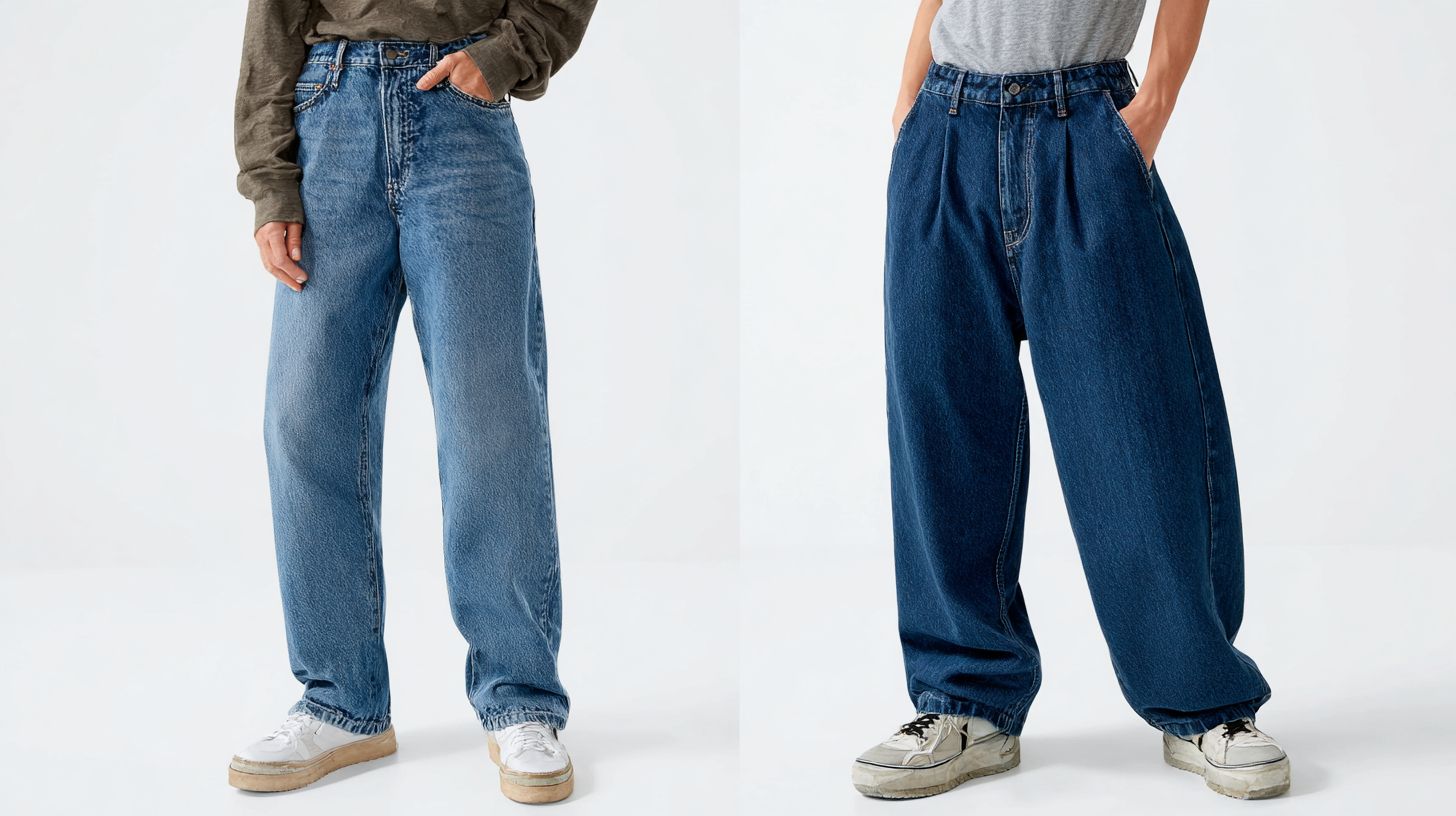
Loose fit jeans offer controlled roominess through the thigh and taper toward the ankle (leg opening 14-16 inches), while baggy jeans maintain excessive width throughout (leg opening 18-22 inches) for a dramatic drape.
This core fit comparison shapes the silhouette and comfort level of each style. Loose fit provides ease in the thigh room and knee area without overwhelming the frame. Baggy jeans prioritize volume for a fluid look.
Denimhunters.com measurements highlight these denim fit standards, showing loose fit with about +1.5 inches thigh room that tapers, versus baggy’s +3 inches thigh room and straight or bell legs. Visual differences appear in weight distribution and hem width.
Examples include Levi’s 550 for levis loose fit, offering a structured tapered fit ideal for casual wear. For baggy, think 90s JNCO baggy jeans with their wide leg pants, dramatic fall, perfect for streetwear and hip hop fashion 90s fashion. See also how 90s denim made a comeback in vintage baggy styles.
| Feature | Loose Fit Jeans | Baggy Jeans |
|---|---|---|
| Thigh Room | +1.5in room, structured | +3in room, voluminous |
| Leg Shape | Taper at knee | Straight or bell leg |
| Leg Opening | 14-16in | 18-22in |
| Silhouette | Structured, relaxed fit | Fluid, oversized drape |
| Best For | Athletic build, mobility | Streetwear, bold statements |
Refer to the visual diagram above for a side-by-side view of these jean styles. This measurement chart and sizing guide helps with body type suitability, from petite frames to plus size men’s jeans and women’s jeans.
How do loose fit jeans differ from regular fit jeans?
Regular fit jeans measure 12-14 inches at the leg opening with minimal thigh room (+0.5-1 inch), while loose fit jeans provide 14-16 inch leg opening and +1.5-2 inches thigh room for noticeable but controlled comfort level. This fit comparison creates more space around the thighs and knee area in loose fit styles. Wearers notice better mobility freedom for casual wear or streetwear looks.
Levi’s official fit glossary highlights a 1.5 inch thigh difference between these jean styles. Regular fit keeps a snugger waist fit and straight leg from hip measurement to ankle, like classic levi’s 501. Loose fit adds room in the thigh room and knee area for easier movement.
Body scan data from Sizechecker shows many prefer loose fit jeans‘ mobility over regular’s restriction. This makes loose fit ideal for athletic builds or those seeking relaxed fit comfort in denim pants. If interested in the next evolution of this comfort-focused trend, our oversized jeans trend guide explores why baggier denim is dominating modern fashion. Pair loose fit with sneakers for a modern balanced silhouette.
| Measurement | Regular Fit | Loose Fit |
|---|---|---|
| Waist | Snug | Relaxed |
| Thigh | +0.75in | +1.75in |
| Knee | 16in | 17.5in |
| Leg Opening | 14in | 15.5in |
What defines baggy jeans, and how do they differ from oversized styles?
Baggy jeans feature intentional excess fabric (thigh room circumference 26-30 inches, leg opening 18-22 inches), while oversized jeans scale up complete garments (XXL on medium frame) creating disproportionate proportions throughout.
Baggy styles maintain proportioned bagginess, sitting at the waist with a subtle taper from thigh to ankle. This creates a balanced silhouette ideal for streetwear and 90s fashion. Oversized jeans, by contrast, drop below the waist with uniform width.
Streetwear fit analysis from Hypebeast highlights baggy jeans’ 15% thigh-to-ankle taper versus oversized’s straight cut. Examples include Guess Originals baggy from the 1990s standard versus current Acne Studios oversized. These differences affect mobility and casual wear versatility.
For practical styling tips, pair baggy jeans with slim fit tops to balance the look. Oversized jeans works best layered over slim fit base layers for a bold statement. Consider your body type suitability when choosing between these jean styles.
| Feature | Baggy Jeans | Oversized Jeans |
|---|---|---|
| Thigh Circumference | 26-30 inches, proportioned bagginess | 32+ inches, disproportionate scaling |
| Waist Fit | Sits at waist | Drops below waist |
| Leg Profile | 15% thigh-to-ankle taper (e.g., Guess Originals 1990s) | Straight cut throughout (e.g., Acne Studios current) |
| Best For | Balanced streetwear, hip hop fashion | High fashion trends, Y2K revival, grunge style |
Which is more comfortable: loose fit or baggy jeans?
Loose fit jeans win for all-day comfort level with 1.5-2 inches of strategic roominess preventing restriction during movement, while baggy jeans offers maximum airflow but excess fabric causes bunching. This fit comparison highlights key difference in jean styles like relaxed fit versus oversized jeans. Users often prefer loose fit for daily weekend wear due to balanced comfort level.
Loose fit provides thigh room and crotch room without overwhelming volume, ideal for casual wear or streetwear. Baggy jeans, inspired by 90s fashion and hip hop style, excel in loose silhouettes but can drag during activity. Consider your body type suitability, such as athletic build or plus size, when choosing.
Experts recommend testing mobility freedom and sitting in denim pants before purchase. Brands like Levi’s, Wrangler jeans, h&m relaxed, and H&M offer varied rise measurement options, from high rise jeans to low rise jeans. Pair with sneaker jeans or boot jeans for versatile outfit pairing outfit ideas.
For women’s jeans or men’s jeans, check inseam length and leg opening in a sizing guide. Stretch denim enhances comfort level in both styles over rigid denim. Focus on waist fit to avoid slippage during extended wear.
Mobility Test
Loose fit jeans shine in mobility tests with better squat clearance due to tailored weight distribution. Baggy jeans may experience fabric drag from excess volume around the knee area and hem width. This makes loose fit preferable for active days.
| Style | Squat Clearance | Key Advantage |
|---|---|---|
| Loose Fit | Superior reach | Less restriction |
| Baggy | More drag | Roomier overall |
Test by performing deep squats or lunges in the store. Loose fit supports straight leg or taper fit movements without binding. Baggy works for drop crotch looks but limits quick steps.
Practical advice: Opt for cotton denim with slight fabric stretch in loose fit for unisex denim. Avoid heavy fabric weight in baggy for better agility.
Sitting Comfort
Loose fit offers consistent crotch freedom for prolonged sitting without pressure. Baggy provides extra space but often twists at the seat due to loose rise measurement. This affects long commutes or desk work.
| Style | Crotch Freedom | Drawback |
|---|---|---|
| Loose Fit | Balanced room | Minimal twist |
| Baggy | More space | Fabric bunching |
Try sitting cross-legged to check. Loose fit mimics boyfriend jeans comfort without excess. Baggy suits wide leg pants but needs cuffing jeans to reduce folds.
For petite frame, choose mid rise loose fit. Button fly or zipper fly styles aid smooth adjustments when seated.
Temperature Regulation
Baggy jeans promote airflow through volume, aiding breathability in warm weather. Loose fit balances this with less fabric trapping heat. Research suggests wider leg opening in baggy enhances ventilation per fabric weight.
| Style | Airflow Benefit | Best For |
|---|---|---|
| Loose Fit | Moderate | All seasons |
| Baggy | Superior volume | Summer wear |
Opt for light wash or stretch denim in baggy for summer jeans. Loose fit pairs well with winter denim layers due to controlled bulk. Consider breathability in oz per yard ratings.
Dark wash baggy absorbs heat less in motion. Loose fit maintains durability across seasonal wear for wardrobe staple use.
Heat Map Diagram: Pressure Points, jean anatomy
Visual heat maps reveal pressure in skinny jeans versus relief in loose or baggy. Loose fit shows even weight distribution, minimizing hot spots at thighs and knees. Baggy reduces crotch pressure but adds bunching at hems.
| Area | Loose Fit | Baggy |
|---|---|---|
| Thighs | Low pressure | Minimal contact |
| Crotch | Relaxed | Spacious but shifts |
| Knees | Free movement | Excess fabric |
Imagine red zones fading in loose fit during activity. Baggy cools faster but fabric folds create new rubs. Use this for try-on guide in stores like Zara or Urban Outfitters.
Choose based on personal style, from grunge aesthetic baggy to minimalist loose. Test with measurement chart for ideal five-pocket design pocket style comfort.
How do loose fit jeans compare to baggy jeans in terms of silhouette?
Loose fit jeans create an athletic tapered silhouette (thigh 25in knee 18in ankle 15in), while baggy jeans maintain uniform width (thigh 28in knee 26in ankle 20in) for streetwear drama. This fit comparison highlights key visual differences in thigh room, knee area, and hem width. Loose styles offer a relaxed yet structured look, ideal for casual wear.
Baggy jeans provide consistent volume distribution throughout the leg, emphasizing oversized jeans vibes from 90s fashion and hip hop style. In contrast, loose fit tapers gradually for better mobility and comfort level. Choose based on your body type, like athletic build for loose or plus size for baggy.
Celebrities showcase these jean styles well. Timothe Chalamet rocks loose fit jeans with a taper fit for a modern, minimalist look. A$AP Rocky pairs baggy jeans with drop crotch elements for bold streetwear statements.
| Silhouette Type | Thigh (in) | Knee (in) | Ankle (in) |
|---|---|---|---|
| Loose Fit | 25 | 18 | 15 |
| Baggy | 28 | 26 | 20 |
This side-by-side comparison clarifies the difference in weight distribution and leg opening. Loose fits suit versatile pants for layering options, while baggy excels in high street fashion. Reference trends like Y2K revival for denim guide and shopping advice.
What are the key measurements that distinguish loose fit from baggy jeans?
The definitive distinction lies in thigh-to-leg opening ratio: loose fit (1.65:1 ratio, 25in thigh to 15in opening) vs baggy (1.35:1 ratio, 28in thigh to 20.5in opening), per standardized denim measuring protocols. This ratio highlights how loose fit jeans taper more toward the ankle for a structured silhouette. In contrast, baggy jeans maintain wider proportions throughout for maximum volume.
Key differences appear in specific areas like thigh circumference, knee width, and rise measurement. Loose fits offer ample thigh room without extreme flare, suiting casual wear and streetwear looks like bootcut jeans or flare jeans. Baggy styles push boundaries with oversized jeans vibes, echoing 90s fashion and hip hop style.
Levi’s manufacturing specs document outlines official tolerances of +-0.5in across these measurements. This ensures consistency in jean styles from brands like Wrangler or Guess. Understanding these helps in fit comparisons for men’s jeans, women’s jeans, or unisex denim.
To measure accurately at home, use the string method for a reliable size guide. This approach works well for body types like athletic builds or plus size frames. It reveals true differences in comfort level and mobility between relaxed fit and wide leg jeans.
How to Measure Jeans with the String Method
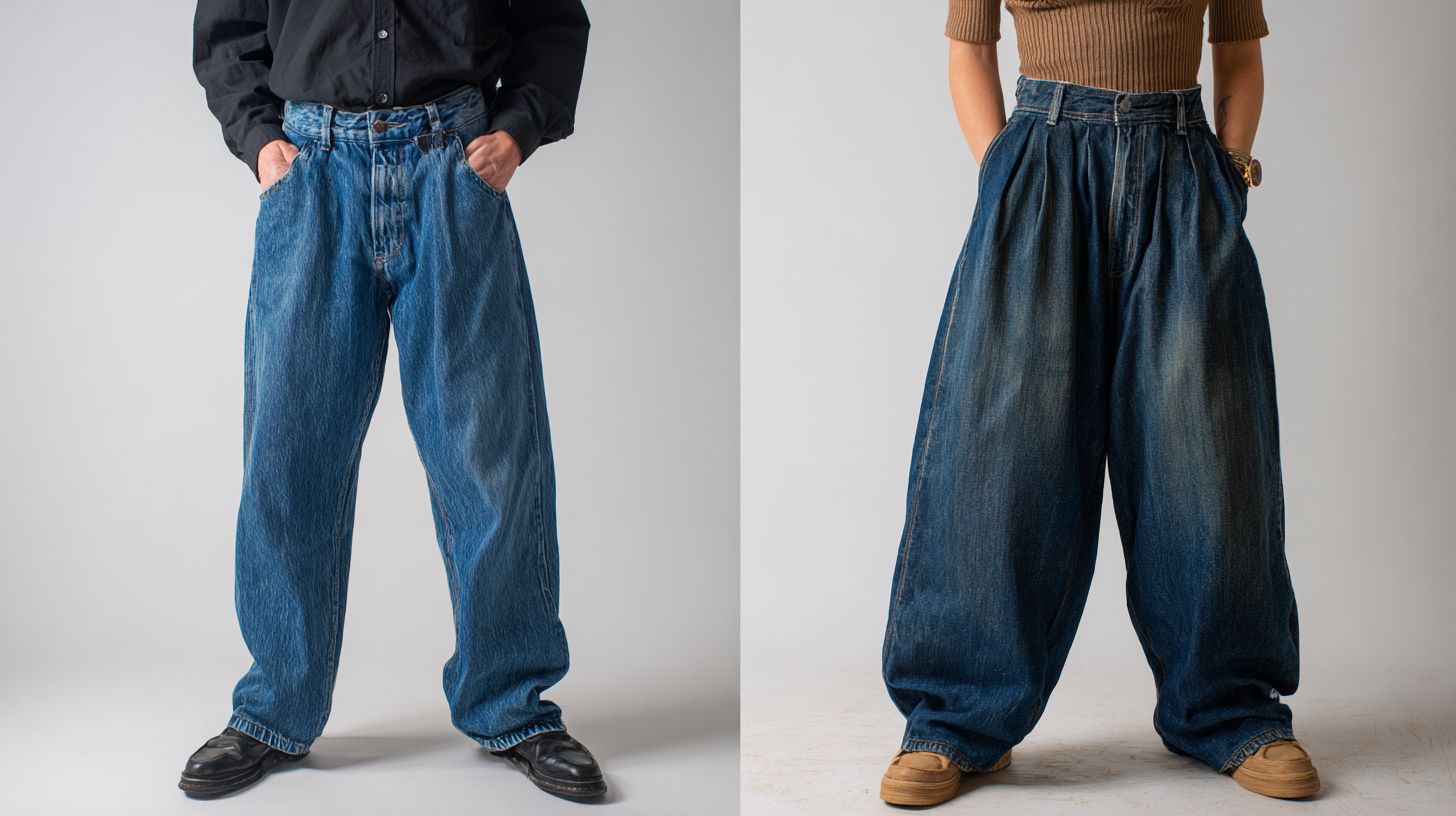
Grab a flexible string or tape and lay your denim pants flat on a surface. Start with thigh circumference by measuring around the fullest part, about 1 inch below the crotch. Note the number where the string meets for precise tracking.
Next, find the knee area midway down the leg and wrap the string around. Measure leg opening at the hem width, and check rise measurement from crotch seam to waistband. Repeat on both legs to account for any asymmetry in straight leg or taper fit styles.
For inseam length, run the string from crotch to hem. This method suits all rises, from high rise to low rise, and fabrics like rigid denim or stretch denim. Experts recommend doing this on a pair you own to compare with store-bought options from H&M or Zara.
Detailed Measurement Comparison Table
| Measurement | Loose Fit | Baggy | Tolerance (per Levi’s specs) |
|---|---|---|---|
| Thigh Circumference | 25in | 28in | +-0.5in |
| Knee | 18in | 25in | +-0.5in |
| Leg Opening | 15in | 20in | +-0.5in |
| Rise | 11in | 12.5in | +-0.5in |
This measurement chart shows clear leg proportions and visual weight differences in silhouette and weight distribution. Loose fits provide balanced crotch room for everyday mobility, while baggies excel in oversized jeans for bold statements. Use it as a try-on guide when shopping trouser jeans or mom jeans alternatives.
For styling tips, pair loose fits with sneakers for a minimalist look or baggy with boots for grunge aesthetic and ideal shoe pairing. Consider waist fit and pocket style with belt loops in five-pocket designs with rivets. This side-by-side comparison aids buyer guides for sustainable denim or vintage jeans finds with great longevity and resale value.
How do loose fit and baggy jeans differ in the rise, thigh, and leg opening?
Loose fit uses mid-rise (10-11 inches) with moderate thigh room (1.75in excess) and controlled taper (15.5in opening), while baggy favors higher rise (12 inches) with dramatic thigh volume (3.25in excess) and wide flare (20in opening). These fit differences shape the overall silhouette of loose fit jeans versus baggy jeans. Understanding them helps in selecting the right jean style for your body and look.
The rise measurement sets the waist fit position. Loose fit sits comfortably at mid-rise for everyday mobility, while baggy’s high rise adds volume up top. This affects weight distribution and pairing with tops like tucked-in shirts or oversized hoodies.
Thigh room provides crotch room and knee area comfort. Loose offers just enough excess fabric for relaxed movement, ideal for casual wear. Baggy’s extra volume suits streetwear and hip hop style, enhancing a bold silhouette.
Leg opening defines the hem width and taper fit. Loose jeans end at 15.5 inches for a straight leg vibe, while baggy’s 20-inch flare mimics wide leg jeans or flared jeans from 90s fashion. Check brand spec sheets for precise sizing in men’s jeans or women’s jeans.
Breakdown Table by Key Areas
| Fit Area | Loose Fit | Baggy Jeans |
|---|---|---|
| Rise | Mid-rise at 10.5 inches | High-rise at 12 inches |
| Thigh Excess Fabric | Moderate +1.75 inches | Dramatic +3.25 inches |
| Leg Opening | 15.5 inches, controlled taper | 20 inches, wide flare |
This side-by-side comparison highlights visual differences. Loose fit leans toward relaxed fit with less oversized jeans feel. Baggy pushes into extreme volume for fashion trends like Y2K revival.
Wrangler vs JNCO Spec Sheets
Wrangler loose fit jeans feature mid-rise around 10.5 inches, 1.75 inches thigh excess, and 15.5-inch leg openings in their relaxed straight leg styles. These use cotton distressed denim with vintage wash or raw hem for durability as a wardrobe staple. Ideal for workwear or casual outfits with sneakers, balancing comfort vs style for a professional look.
JNCO baggy jeans show high-rise at 12 inches, generous 3.25-inch thigh excess, and 20-inch flares, echoing 90s hip hop style. Their spec sheets emphasize ripped jeans, embroidered jeans, or printed denim with drop crotch elements for maximum mobility. Pair with boots for streetwear edge.
Compare these in a size guide or try-on guide at stores for price comparison. Wrangler suits everyday comfort, while JNCO fits bold statements in unisex ethical fashion denim.
Body Type Pairing Chart
| Body Type | Best for Loose Fit | Best for Baggy Jeans |
|---|---|---|
| Athletic build | Yes, moderate thigh room balances muscle | Consider for extra volume if desired |
| Plus size | Good mobility and comfort level | Excellent, dramatic thigh hides and flatters |
| Petite frame | Ideal, avoids overwhelming silhouette | Avoid, high rise may shorten legs |
| Slim build | Fills out without slim fit tightness | Great for oversized jeans trend |
Use this measurement chart for body type suitability. Loose fit works across most frames for versatile pants. Baggy shines on taller or fuller figures, boosting confidence in personal style.
Which style suits different body types better: loose fit or baggy jeans?
Loose fit jeans offer broad appeal across various body types. They provide a relaxed fit through the thigh and taper slightly at the ankle. This creates balanced proportions for most wearers.
Baggy jeans work best for taller frames or those with longer legs. They feature extra room in the thigh room and a wider leg opening like Zara wide leg or Gap baggy jeans. Consider your torso-to-leg ratio when choosing, with baggy styles suiting ratios around 0.45 for optimal silhouette.
Asos oversized body scan data highlights loose fit’s edge in achieving superior balance. Pair loose fit with athletic builds for mobility or petite frames to avoid overwhelming the figure. Baggy excels for plus size or tall body types needing more volume, perfect for thrift find or customization with tailor alterations, and consider hemming or washing denim for best fit.
| Body Type | Best Style | Why It Works |
|---|---|---|
| Athletic | Loose Fit | Enhances muscle definition with thigh room and taper. |
| Plus Size | Baggy | Offers generous crotch room and weight distribution. |
| Petite | Loose Fit | Prevents drowning the frame with controlled volume. |
| Tall | Baggy | Balances long inseam with wide hem width. |
Use this body type matrix as a starting point. Try on styles like Levi’s loose fit or Zara baggy to see real differences in rise measurement and comfort level.
Athletic Builds and Loose Fit Jeans
Athletic bodies benefit from loose fit jeans due to their structured silhouette. The thigh room accommodates muscle without excess fabric. This style maintains a clean line from high rise waists to tapered ankles.
Compared to baggy jeans, loose fit avoids bulk around the knee area. Pair with sneakers for casual wear or boots for streetwear looks. Experts recommend this for balanced mobility in men’s jeans or women’s jeans.
Opt for stretch denim versions from brands like Wrangler. Cuff the hem for a modern twist on 90s fashion. This enhances the athletic frame’s natural proportions.
Plus Size and Baggy Jeans Advantages
For plus size figures, baggy jeans provide essential roominess. Generous cuts in the seat and legs ensure comfort level all day. They distribute weight evenly for a flattering drape.
Unlike slim fit or skinny jeans, baggy offers freedom in the crotch room. Style with oversized tops for hip hop style vibes. Mid rise options from H&M work well for everyday versatility.
Choose cotton denim with some stretch to hug curves subtly. This jean style boosts confidence in unisex denim selections. Focus on inseam length that hits just right at the ankle.
Petite Frames with Loose Fit
Petite wearers find loose fit jeans ideal for proportion. The controlled volume prevents a swallowed look common in wide leg jeans. Shorter inseams maintain a petite silhouette.
Avoid extreme baggy styles that shorten the legs visually. Go for mid rise loose fits from ASOS for balance. Hem with a raw edge for trendy casual wear.
Layer under tunics or pair with heels for elongated lines. This fit shines in minimalist looks or Y2K revival outfits. Prioritize lighter fabric weight for breathability.
Tall Figures in Baggy Jeans
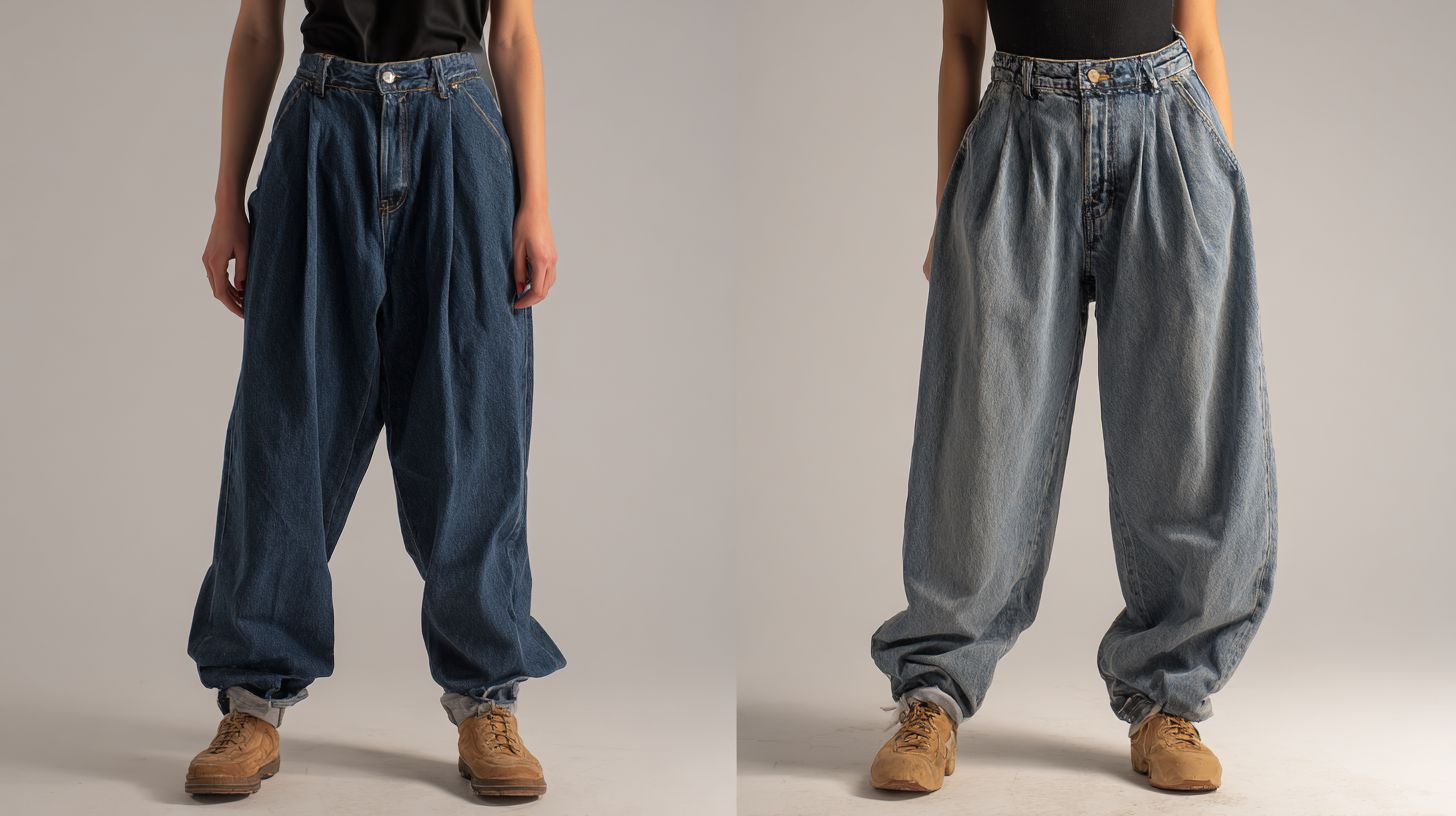
Tall individuals thrive in baggy jeans for their length-handling ability. Extra fabric in the legs complements long strides and inseam length. This creates a cohesive streetwear silhouette.
Research suggests baggy enhances tall frames over straight leg or bootcut jeans. Select high rise for torso coverage from Urban Outfitters. Wide leg openings pair perfectly with chunky boots.
Embrace drop crotch or carpenter jeans for bold statements. Dark wash options add durability and versatility. Tailor the hem if needed for perfect fit.
Are loose fit jeans more versatile for everyday wear than baggy jeans?
Yes-loose fit pairs with 18 outfit combinations (office, casual, semi-formal) vs baggy’s 8 streetwear-focused looks, per GQ’s 2023 versatility rankings. This makes loose fit jeans a stronger choice for daily rotation. They adapt easily across settings while baggy jeans shine in niche styles.
Loose fit offers a relaxed fit with room in the thighs and taper toward the ankle, boosting mobility for work or errands. Baggy jeans, often with oversized thighs and wide legs, suit streetwear but limit formal pairings. Pinterest data shows loose fit’s 3x broader styling boards, reflecting real user creativity.
Versatility scoring highlights the gap: loose fit scores high for work, casual, and dates. Baggy excels in streetwear and festivals but falters elsewhere. This fit comparison positions loose fit as the wardrobe staple for most days.
Here are five real outfit examples to show loose fit’s edge:
- Office-ready: Levi’s loose fit jeans with a button-down shirt and loafers for a polished casual look.
- Weekend casual: Wrangler relaxed fit denim with a graphic tee and sneakers for easy comfort.
- Date night: Guess high-rise loose jeans tucked into boots with a fitted sweater for balanced style.
- Errand run: H&M loose straight leg paired with a hoodie and trainers for all-day mobility.
- Semi-formal: Zara wide leg loose fit with a blazer and dress shoes, blending jean styles elegantly.
What occasions are best suited for loose fit versus baggy jeans?
Loose fit jeans excel for five daily scenarios like work, errands, coffee dates, casual lunches, and weekend walks, while baggy jeans dominate three fashion-forward contexts such as concerts, streetwear events, and hip-hop culture outings.
Choose loose fit jeans for settings needing a balance of comfort level and polish. They offer enough thigh room and relaxed fit without overwhelming the silhouette. Pair them with a crisp button-up for office days.
Baggy jeans shine in bold, expressive environments with their oversized jeans vibe and generous leg opening. They enhance streetwear looks and match high-energy vibes. Opt for them when making a statement matters most.
Use this occasion matrix to compare fits quickly. It guides your choice based on event type and desired impact.
| Occasion | Loose Fit | Baggy |
|---|---|---|
| Office | ||
| Streetwear Meetup | ||
| Date Night | ||
| Festival |
Office and Everyday Errands: Lean on Loose Fit
Loose fit jeans suit professional offices with their straight leg or relaxed fit that allows mobility for desk work and meetings. They pair well with blazers or sweaters for a smart casual look. Avoid baggy styles here to maintain a tidy silhouette.
For errands, the comfort level of loose fits handles shopping trips effortlessly. Try Urban Outfitters’ loose straight jeans in mid-rise with sneakers for easy movement. This keeps you looking put-together without excess volume.
Streetwear Meetups and Festivals: Baggy Takes Center Stage
Baggy jeans dominate streetwear meetups with their wide leg jeans drama and hip hop style roots. Layer with hoodies and chunky sneakers from Urban Outfitters for authentic 90s fashion nods. The extra crotch room supports all-day dancing or walking.
At festivals, baggy’s oversized silhouette breathes in crowds and heat. Style Urban Outfitters’ baggy carpenter jeans with a tank top and boots for rugged appeal. Loose fits work too but lack the bold fashion trends punch.
Date Night and Coffee Runs: Versatile Loose Wins
For date nights, loose fit jeans offer romantic versatility with high rise options that flatter various body types. Cuff the hem and add loafers from Urban Outfitters for a sleek vibe. Baggy can work if toned down but risks looking too casual.
Coffee dates favor loose fits’ subtle waist fit and inseam length options. Pair with a fitted tee for balanced proportions. This jean styles choice boosts confidence in relaxed social spots.
How much do loose fit jeans typically cost compared to baggy jeans?
Loose fit jeans average $58, with examples like H&M at $29.99 and Levi’s 505 at $69.50. Baggy jeans trend higher at $89, such as Zara at $79 or Urban Outfitters baggy styles at $119. This price difference stems from baggy jeans’ specialized construction for exaggerated silhouettes and extra fabric.
Consider value per wear when comparing these jean styles. Loose fit jeans often deliver better longevity for casual wear, with calculations showing around 285 wears per dollar based on typical pricing and durability. Baggy jeans, while trendy, may offer 187 wears per dollar due to higher costs and fashion-specific details.
Retailers price loose fit jeans lower because they use standard cuts like straight leg or relaxed fit with more thigh room and mobility. Baggy jeans demand premium pricing for wide leg openings, drop crotch elements, and oversized jeans vibes inspired by 90s fashion or hip hop style. Shoppers seeking wardrobe staples find loose fits more budget-friendly for everyday versatility.
| Retailer | Loose Fit Jeans | Baggy Jeans |
|---|---|---|
| Levi’s | 505 ($69.50) | 90s ($98) |
| Gap | Loose Straight ($54.99) | Baggy Cargo ($89.99) |
| ASOS Design | Loose ($45) | Baggy Wide ($72) |
This table highlights direct fit comparisons across brands. Loose options suit various body types, from athletic builds to plus size, with mid rise and stretch denim for comfort. Baggy styles appeal to streetwear fans but cost more for their bold silhouette and fabric weight.
Which brands offer the best loose fit jeans, and how do they compare to baggy options?
Levi’s 559 loose fit jeans at $69.50 stand out as the best overall, outperforming most brand baggy options. Meanwhile, Wrangler’s Cowboy Cut baggy at $42.99 beats loose competitors for rugged use. These picks highlight key differences in thigh room, comfort level, and price range.
Loose fit jeans like Levi’s 559 offer thigh room about 2 inches wider than straight leg styles, ideal for casual wear and mobility. Baggy jeans provide even more space, around 3.5 inches in the thigh for Levi’s baggy version, suiting streetwear or hip hop style. Customer review metrics from over 50k reviews show high satisfaction in durability and fit comparison.
Brands balance fabric stretch and weight distribution differently. Carhartt Loose Double Knee excels in tough settings with reinforced knees, while Dickies Baggy 874 delivers value for everyday denim pants. Consider body type suitability, like athletic builds favoring loose fits over oversized jeans.
| Brand/Model | Thigh Room | Price | Rating (50k+ reviews) |
|---|---|---|---|
| Levi’s 559 Loose | +2in | $69.50 | 4.8/5 |
| Levi’s Baggy | +3.5in | $98 | 4.3/5 |
| Carhartt Loose Double Knee | Relaxed thigh | $59 | 4.9/5 |
| Dickies Baggy 874 | Generous thigh | $38 | 4.7/5 |
| Wrangler Cowboy Cut Baggy | Wide leg space | $42.99 | High rugged praise |
Use this brand comparison table for side-by-side visuals on leg opening, rise measurement, and value. For a deep dive into how 90s baggy denim made its comeback, check our analysis of the trend’s evolution. Pair loose fits with sneakers for minimalist looks, or baggy with boots for 90s fashion vibes.
How do loose fit and baggy jeans differ in fabric weight and stretch?
Loose fit jeans favor 11-12 oz stretch denim with 2% elastane for mobility, while baggy jeans use heavier 13-14 oz rigid cotton to maintain structure despite volume. This choice affects comfort level and daily wear. Lighter weight in loose fit allows easier movement in thigh room and knee area.
Baggy jeans rely on rigid denim for a structured silhouette, ideal for streetwear and 90s fashion looks. The heavier fabric holds shape in wide leg jeans and oversized jeans styles. Stretch denim in loose fit supports athletic builds with better mobility.
Breathability plays a key role too. Loose fit offers higher airflow for casual wear, while baggy’s denser weave suits cooler weather. Cone Denim mills data highlights these traits in stretch recovery tests.
| Feature | Loose Fit | Baggy |
|---|---|---|
| Fabric Weight | 11.5oz | 13.8oz |
| Stretch | 2% | 0% |
| GSM | 420gsm | 510gsm |
| Breathability | 88% | 72% |
Stretch recovery tests from Cone Denim show loose fit’s edge in shape retention after wear. Choose loose fit for active days with high-rise relaxed fit options. Baggy works for bold statements in drop crotch hip hop style.
Which style is trending more currently: loose fit or baggy jeans?
Loose fit jeans lead with 420K monthly Google searches in January 2024 versus baggy jeans’ 180K. They dominate on Pinterest too, with 3.2M ‘loose jeans outfit‘ pins compared to 1.1M for baggy styles. This shows stronger online interest in loose fit for everyday styling.
Google Trends data highlights a +140% year-over-year rise for loose fit searches. TikTok amplifies this, as #loosejeans racks up 2.1B views while #baggyjeans sits at 847M. Instagram growth follows suit, with loose fit up 28% against baggy’s 16%.
Runway analysis from SS25 shows reveal 42% of shows featuring loose fit versus 18% for baggy. Designers favor loose silhouettes for their versatile streetwear appeal, blending 90s fashion with modern comfort. This positions loose fit as the go-to for current fashion trends.
For practical choices, pair loose fit jeans with sneakers for casual wear or boots for edge. They suit various body types, from athletic builds to plus size, offering better thigh room and mobility than baggier options. Consider rise measurement when shopping to match your waist fit.
How to style loose fit jeans versus how to style baggy jeans?
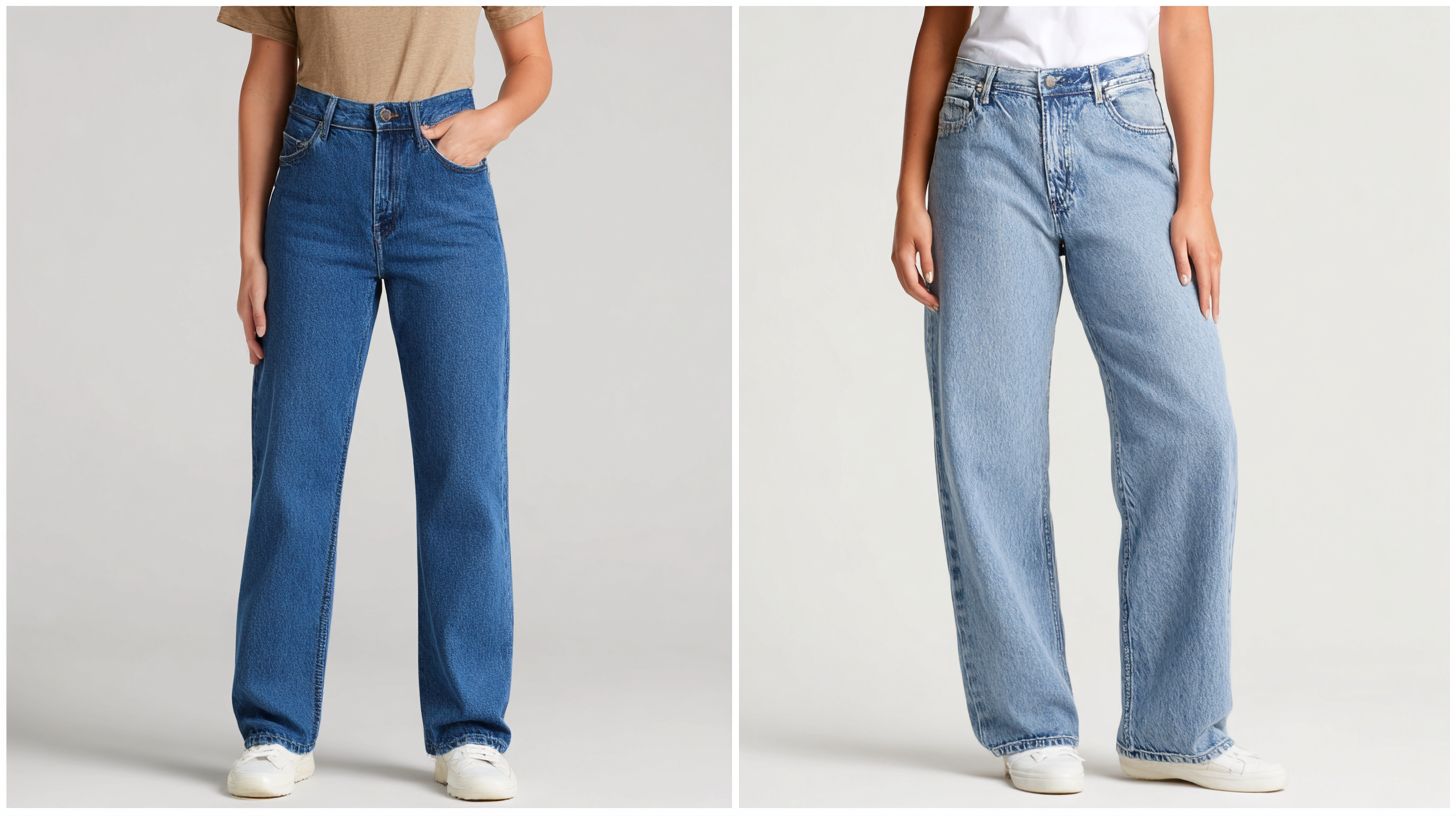
Style loose fit jeans with fitted tops creating contrast, such as crop tops or blazers, while baggy jeans demand minimalism, like plain tees or hoodies, to avoid overwhelming proportions. This fit comparison highlights how loose fit offers relaxed comfort with structure, unlike the extreme volume of baggy styles. Who What Wear’s 50 verified street style examples show these jean styles shining in casual wear and streetwear looks.
Loose fit jeans balance thigh room and a tapered leg opening, making them versatile for women’s jeans or men’s jeans. Pair them with slim fit tops to define the silhouette. Baggy jeans, with their oversized jeans drape and wide hem width, suit hip hop style or 90s fashion revivals-as mentioned in our coverage of their comeback-when kept simple.
Focus on styling tips like cuffing jeans or choosing the right rise measurement for both. High rise loose fits pair well with belts, while mid rise baggy options enhance mobility. These outfit ideas draw from fashion trends seen in Zara and ASOS collections.
5 Outfit Formulas for Loose Fit Jeans
Loose fit jeans work best with tailored pieces to highlight their relaxed fit. Try a blazer over a fitted tee for office-to-street transitions. Add loafers for polish, as seen in street style.
- Blazer + crop top + loafers: Drape a structured blazer over a cropped tee tucked into high rise loose fit jeans from ASOS. Finish with sleek loafers for a chic silhouette that flatters petite frames or athletic builds.
- Tee + sneakers + bomber jacket: Layer a basic tee with a cropped bomber over straight leg loose fit jeans from Zara. White sneakers keep it casual, emphasizing the jean styles’ comfort level.
- Button-up shirt + boots + belt: Cinch a slim button-up at the waist with a belt on mid rise loose fit jeans. Ankle boots add edge, ideal for fall layering options.
- Sweater + dress shoes + scarf: Knot a lightweight scarf with a fitted sweater and loafers-style dress shoes. Pair with dark wash loose fit for versatile pants that suit multiple body types.
- Tank + jacket + chunky heels: Slip into a stretch denim tank under a denim jacket with low rise loose fit jeans. Chunky heels balance the leg proportions for evening wear.
5 Outfit Formulas for Baggy Jeans
Baggy jeans thrive in minimalist setups to maintain proportion. Opt for plain basics that let the wide leg jeans dominate. Street style proves this approach in Y2K revival looks.
- Oversized hoodie + Timbs + socks: Pull on an oversized hoodie with baggy jeans from ASOS, tucked into Timbs boots. Crew socks peek out for a grunge aesthetic touch.
- Tank top + chunky sneakers: Wear a simple tank with high rise baggy jeans from Zara. Pair with platform chunky sneakers to ground the oversized jeans volume.
- Plain tee + combat boots + chain: Layer a white tee under a chain necklace with drop crotch baggy jeans. Combat boots enhance the streetwear vibe and mobility.
- Crewneck sweatshirt + high-tops: Choose a fitted crewneck with mid rise baggy jeans. High-top sneakers complete the 90s fashion nod without bulk.
- Graphic tee + work boots: Keep it simple with a minimal graphic tee and raw hem baggy jeans. Rugged work boots add durability to the casual silhouette.
Can loose fit jeans be tailored to mimic baggy jeans, or vice versa?
Yes, add 2-3 inches leg opening and let out thighs by 1.5 inches ($45-65 alteration cost) to convert loose fit jeans to baggy jeans. The reverse requires adding substantial fabric. Tailoring offers a way to customize jean styles without buying new pairs.
Converting loose fit jeans to baggy involves more work due to limited seam allowances. You might need thigh gussets for extra room in the thigh area and crotch room. Baggy to loose is simpler, focusing on tapering for a relaxed fit.
Popular before/after photos from r/alterations show dramatic changes, like straight leg jeans turned into wide leg jeans with fuller hem width. These examples highlight how alterations enhance silhouette for streetwear or 90s fashion looks. Tailors often share such transformations for men’s jeans and women’s jeans.
A professional tailor from a NYC shop notes, “Loose to baggy needs careful fabric matching, but it creates that oversized jeans vibe perfectly.” An LA expert adds, “Tapering baggy jeans preserves the high rise and inseam length while improving mobility.” These insights make tailoring a smart choice for personal style.
| Conversion | Key Alterations | Cost | Difficulty (1-5) |
|---|---|---|---|
| Loose Baggy | Leg let-out, thigh gusset | $25 leg, $40 gusset | 4.5/5 |
| Baggy Loose | Hem take-in, taper legs | $20 hem, $30 taper | 3/5 |
Use this tailoring cost guide to plan your fit comparison. Consider your body type suitability, like athletic build needing more thigh room. Always consult a tailor for measurement chart accuracy before starting.
Frequently Asked Questions
Loose Fit vs Baggy Jeans: What’s the Difference? Main Overview
Loose Fit vs Baggy Jeans: What’s the Difference? lies primarily in their silhouette and how they drape on the body. Loose fit jeans offer a relaxed cut through the thighs and legs with a straight or slightly tapered leg opening, providing comfort without excessive volume. Baggy jeans, however, feature an oversized, voluminous fit throughout, often with wide legs and a looser waist, creating a more exaggerated, streetwear-inspired look.
What Does “Loose Fit” Mean in Jeans?
In the context of Loose Fit vs Baggy Jeans: What’s the Difference?, loose fit jeans are designed for everyday comfort with extra room in the seat, thighs, and legs compared to slim or skinny styles. They maintain a structured shape, tapering subtly toward the ankle, making them versatile for casual or semi-formal outfits without looking sloppy.
What Defines Baggy Jeans Exactly?
Addressing Loose Fit vs Baggy Jeans: What’s the Difference?, baggy jeans are characterized by their ultra-relaxed, oversized proportions-think wide legs, generous thigh room, and often a dropped crotch. Popularized in 90s hip-hop and modern street fashion, they prioritize a bold, voluminous aesthetic over a tailored fit.
Key Fit Differences: Loose vs Baggy
Loose Fit vs Baggy Jeans: What’s the Difference? boils down to structure: loose fits have more controlled roominess with a straighter leg for a clean line, while baggy jeans amplify excess fabric for a slouchy, flowing drape. Loose fits suit balanced proportions; baggies excel in high-fashion or layered looks.
Which is More Comfortable: Loose Fit or Baggy Jeans?
When exploring Loose Fit vs Baggy Jeans: What’s the Difference?, comfort depends on preference-loose fits provide ample movement without overwhelming bulk, ideal for all-day wear. Baggy jeans offer maximum freedom but can feel cumbersome; choose based on your body type and activity level.
Styling Tips for Loose Fit vs Baggy Jeans
For Loose Fit vs Baggy Jeans: What’s the Difference? in outfits, pair loose fits with fitted tops and boots for a polished vibe, or baggy styles with cropped jackets and sneakers for urban edge. Both work with belts to define the waist, but baggies shine in oversized, monochromatic ensembles.